

Here’s an SEO-friendly, professional article titled “How Wholesale Buyers Can Customize Cookware Sets for Global Markets”, tailored for manufacturers, suppliers, and wholesale buyers interested in customization options:
How Wholesale Buyers Can Customize Cookware Sets for Global Markets
In today’s competitive cookware industry, wholesale buyers are increasingly looking for ways to differentiate their products and meet diverse consumer demands across global markets. Customizing cookware sets offers a strategic advantage—enabling buyers to cater to specific regional preferences, cultural tastes, and functional needs. Here’s a guide on how wholesale buyers can customize cookware sets effectively for success worldwide.
1. Understanding Market Preferences
Every market has unique consumer preferences influenced by local cuisine, cooking methods, and cultural traditions. For example:
- Asian markets may prefer lightweight, non-stick cookware for stir-frying.
- European customers might prioritize high-quality stainless steel or cast iron for slow cooking and baking.
- North American buyers often favor durable, multifunctional cookware sets with modern designs.
Wholesale buyers should research these preferences to guide product customization.
2. Selecting Material and Finish
Material choice impacts both functionality and appeal:
- Stainless Steel offers durability and a sleek look.
- Non-stick Coatings appeal to convenience-focused consumers.
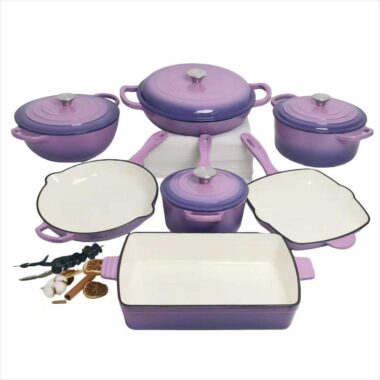
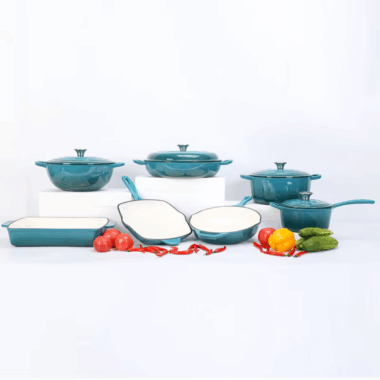
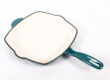
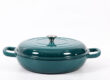
- Enameled Cast Iron is prized for heat retention and aesthetic colors.
- Copper cookware is valued for premium markets due to superior heat conductivity.
Buyers can work with manufacturers to offer material variations tailored to target regions.
3. Customizing Design and Color
Colors and finishes can significantly influence buying decisions. Wholesale buyers can:
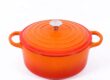
- Choose vibrant enamel colors to attract youthful markets.
- Opt for classic metallic finishes for traditional or luxury segments.
- Incorporate unique patterns or branding to stand out.
Packaging design can also be customized to align with cultural aesthetics and gift-giving traditions.
4. Adjusting Set Configurations
Cookware sets can be customized by including or excluding certain pieces based on market demand. For example:
- Small families or singles might prefer compact 5-piece sets.
- Larger households or cooking enthusiasts may require 10+ piece comprehensive sets.
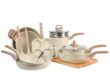
Buyers can request customized combinations of pots, pans, lids, and accessories.
5. Ensuring Compliance and Certifications
Global markets have different safety and quality standards. Wholesale buyers should ensure cookware meets:
- FDA or LFGB food safety standards,
- REACH regulations for chemical safety,
- RoHS compliance for hazardous substances,
- And any specific regional certifications.
Working with a reliable factory or supplier that supports compliance is critical.
6. Branding and Private Labeling
Many wholesale buyers seek private labeling or OEM (Original Equipment Manufacturer) services to build their own brands. This can include:
- Customized logos on cookware and packaging,
- Unique product names,
- Customized user manuals and marketing materials.
Private labeling enhances brand recognition and market differentiation.
Final Thoughts
Customization empowers wholesale buyers to tailor cookware sets to meet the diverse needs of global consumers. By carefully considering materials, designs, set configurations, certifications, and branding, buyers can offer unique products that stand out in competitive markets and boost sales.
Partnering with a flexible manufacturer or factory capable of handling these customizations is key to success.
Would you like me to help you draft a wholesale buyer’s brochure or a B2B sales email based on this content?